

The Truth About Digital Tools and Why a Physical Logbook Might Be Safer
Polycystic Ovary Syndrome (PCOS) is a complex hormonal condition affecting 1 in 10 women of reproductive age. Tracking symptoms like irregular periods, mood swings, and energy levels can be a powerful step toward managing it. These days, there are dozens of PCOS tracker apps promising convenience and insights—but how legit are they really? And is your personal data actually safe?
Let’s explore how digital PCOS trackers work, whether they can be trusted, and why a simple physical logbook might be the smartest (and safest) solution.
Are PCOS Tracker Apps Legit?
Most PCOS tracking apps offer features like:
- Period and ovulation tracking
- Weight and water intake logging
- Mood and symptom journaling
- Sleep, exercise, and nutrition tracking
Some even sync with wearable devices to pull in real-time data. So yes—many of these apps can be helpful tools. They make it easier to identify patterns, prepare for doctor visits, and understand how your lifestyle impacts your condition.
BUT—here’s the catch.
Many of these apps are not bound by strict medical privacy laws like HIPAA (Health Insurance Portability and Accountability Act). That means your personal health information (PHI)—like period dates, moods, sex drive, or medications—could be collected, stored, and potentially sold to third parties for marketing or research purposes.
Some recent studies and lawsuits have even shown how reproductive health apps mishandle or monetize user data without clear consent.
Why a Physical Logbook Might Be Safer
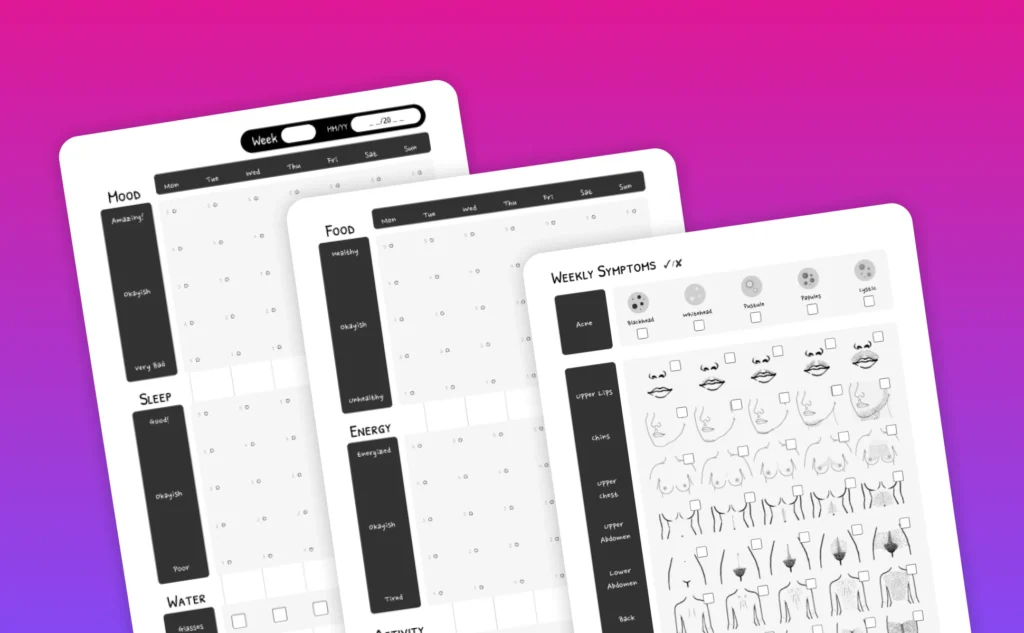
I have created a tracker journal for PCOS, that can be bought on Amazon.
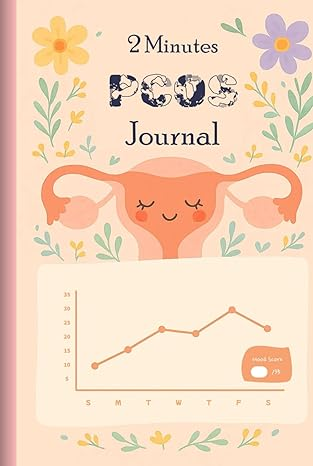
Let’s talk about an old-school alternative: a physical PCOS logbook. Yes, it lives in your nightstand or wardrobe, not in the cloud. But that might be a very good thing.
Here’s why a physical PCOS journal is often a better, safer option:
✅ Privacy You Can Trust
A logbook doesn’t track your location, ask for permissions, or share data. It’s just for you—no third-party access, no risk of hacking, and no hidden data-sharing agreements.
✅ HIPAA-Free Doesn’t Mean Risk-Free
Apps can technically operate outside HIPAA guidelines if they’re not directly connected to a healthcare provider. Your physical book, on the other hand, is HIPAA-irrelevant—because your PHI never leaves your hands.
✅ It’s Personal
Writing things down by hand can actually deepen your awareness of patterns, helping you become more intuitive about your body. Plus, it’s therapeutic—no screen time, no distractions, just your thoughts and your healing journey.
What Should You Track in a PCOS Logbook?
Tracking your health daily doesn’t have to be overwhelming. In fact, just a few consistent check-ins can give you and your doctor valuable clues over time.
Here are some smart, simple things to log daily:
💧 Water Intake
Aim for 8 glasses a day. Hydration supports digestion, hormone balance, and skin health.
😴 Sleep Cycle
Note when you go to bed, wake up, and how rested you feel. Poor sleep is tightly linked to insulin resistance and stress hormone imbalances—core issues in PCOS.
😊 Mood
Logging your emotional state helps identify how hormonal fluctuations, sleep, or diet affect your mental health.
🍴 Cravings or Appetite Changes
PCOS often causes intense sugar or carb cravings—jotting these down can highlight insulin spikes or stress-related eating patterns.
🩸 Menstrual Cycle & Symptoms
Track period flow, duration, spotting, cramps, bloating, breast tenderness, and acne to help identify cycle irregularities.
🏃🏽♀️ Activity or Movement
Even light daily movement like a walk can impact your insulin sensitivity and stress levels.
🧠 Stress & Anxiety Levels
Rate your daily stress. Chronic stress throws off cortisol, worsens symptoms, and makes healing harder.



Pingback: PCOS: When Your Ovaries Throw a Goth Party - Her Body Matters